
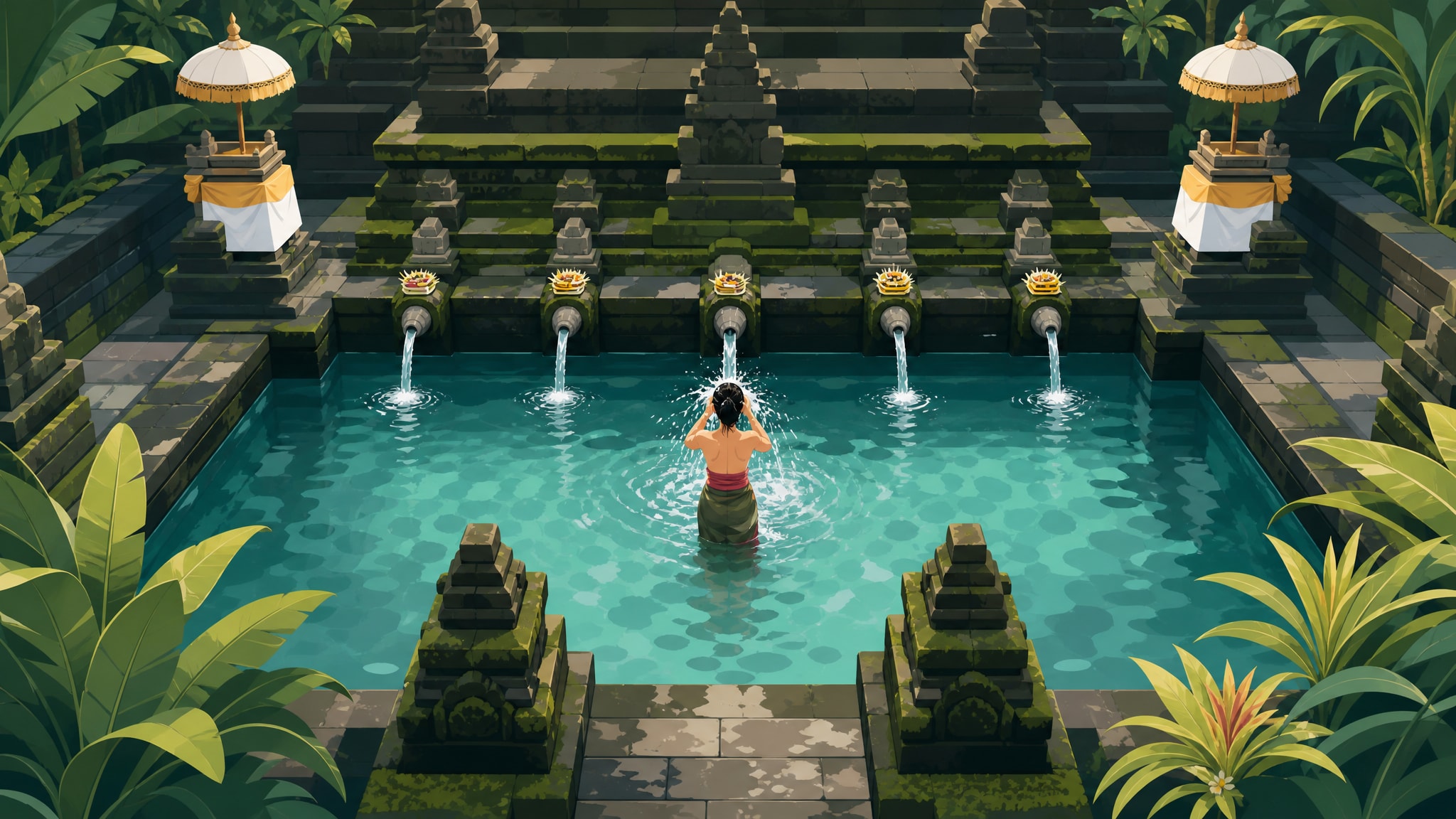
Visiting Pura Tirta Empul offers a real glimpse into Balinese Hinduism, but the experience takes more than showing up at the gate. You need to understand the ritual etiquette, navigate narrow Gianyar roads, and time your arrival to avoid overwhelming crowds. We put together this guide to help you approach the holy spring water temple with confidence and respect. Whether you’re driving yourself or arranging transport, knowing what to expect keeps your visit a spiritual highlight rather than a logistical headache.
Understanding the Spiritual Significance of Pura Tirta Empul
Pura Tirta Empul was established around 926 AD during the Warmadewa dynasty, making it one of Bali’s oldest continuously active water temples. You’re stepping into a site that has served worship and purification for over a millennium, long before tourism existed on the island. The temple complex is dedicated to Vishnu, the Hindu god of preservation, and centers around a sacred mountain spring that feeds the purification pools and bathing structures. Locals believe the water carries curative and spiritual power that cleanses the body and soul of negative influences.
The site is a place of active worship, not a static museum exhibit. You’ll see Balinese families carrying elaborate offerings and praying alongside visitors, keeping alive traditions that define the island’s cultural identity. Recognizing this living context helps you shift from sightseeing to respectful observation. That shift matters, because it shapes how you move through the space and interact with the people around you.
Step-by-Step Melukat Purification Ritual Guide
Joining the melukat ceremony means following specific protocols that honor the sanctity of the water and the devotees sharing it with you. The ritual involves bathing under thirteen specific holy spring water spouts in a set order, each one representing a different spiritual cleansing. Enter the pool without understanding this sequence, and you can disrupt the flow for worshippers while diminishing the value of your own experience.
Proper Attire and Sarong Requirements
You must wear a sarong and sash to enter the inner courtyard and purification area, regardless of gender or personal belief. These items symbolize purity and separate the sacred lower body from the upper spirit. Shorts or revealing clothing are strictly prohibited within the temple walls. Vendors outside the entrance rent sarongs if you don’t bring your own, though having your own clean set often feels more hygienic and comfortable for a wet ritual. Dressing appropriately tells local worshippers that you respect their customs enough to prepare beforehand.
Sequence of Holy Spring Water Spouts
Start your purification at the first spout on the far left and move rightward, station by station, without skipping any or returning to a previous one. At each spout, place your head directly under the water and offer a silent prayer before moving on. The final two spouts on the far right are typically reserved for death rituals and should generally be avoided by tourists seeking a general cleansing, unless a priest directs you otherwise. Staying silent throughout is non-negotiable, conversation turns a sacred act into a social performance.
This structure keeps things orderly in a space where room is tight and emotions run high, and it lets everyone finish their prayers without collision or delay.
Self-Drive Navigation and Parking at Pura Tirta Empul
Reaching the temple on your own gives you freedom, but the route demands attention and mechanical sympathy. We often help guests visiting Gianyar regency temples who do better with automatic transmissions on the steep village access roads. Manual gearboxes get tiring on these inclines, especially when traffic slows unexpectedly near market areas or school zones.
Road Conditions from Ubud and Canggu
The drive from Ubud takes roughly thirty minutes through winding village roads that narrow sharply as you near the temple entrance. Traffic mixes scooters, trucks, and pedestrians unpredictably here, so defensive driving and patience matter more than speed. Visitors coming from Canggu face a longer trip, up to ninety minutes, and often use our car rental options from Ubud as a midpoint pickup to cut the fatigue. GPS navigation works reasonably well but occasionally routes drivers through alleys too tight for cars, so trust your eyes over the screen when a road looks impassable.
Secure Parking Options Near the Temple Entrance
An official parking lot sits next to the main entrance and takes both cars and motorcycles for a small fee. The walk from your vehicle to the ticket counter takes about five minutes along a paved path lined with souvenir stalls and warungs. Arriving early gets you a spot close to the entrance; midday visits may mean parking further down the hill and walking uphill in the heat. This lot is monitored and safe, which removes the uncertainty of roadside parking in an unfamiliar village.
Self-drive doesn’t suit every traveler. If chaotic traffic or steep gradients make you anxious, hiring a driver removes the stress entirely and lets you focus on the destination itself.
Best Times to Visit for Peace of Mind
Timing decides whether you get serene spirituality or shoulder-to-shoulder congestion. Local guides consistently recommend arriving before 8:00 AM, before the midday tour groups fill the purification pools. The light is softer at that hour, the air is cooler, and the atmosphere reflects genuine devotion rather than performance for cameras.
Avoiding Peak Tourist Crowds
Large buses typically arrive between 10:00 AM and 2:00 PM, turning the intimate temple grounds into a crowded thoroughfare. Visit outside that window and you can move through the ritual spaces at a contemplative pace, without queues pushing you along. Late afternoon after 3:00 PM also sees thinner crowds, though the fading light makes photography harder and some vendors start closing early. Plan your arrival with this in mind, and the volume of day-trippers won’t dictate the quality of your visit.
Balinese Calendar and Ceremony Schedules
Full moon days (Purnama) and major religious holidays draw thousands of local worshippers to Pura Tirta Empul for communal prayers. These occasions offer real cultural depth, but they also bring road closures and packed parking that make self-drive visits harder. Checking the Balinese calendar before your trip helps you decide whether to embrace the festive intensity or seek quiet on a regular weekday. You can’t control the calendar, but you can set your expectations to match it.
Choosing the Right Vehicle for Your Temple Visit
Your comfort on the road affects your energy when you arrive at the sacred site. The right vehicle means arriving relaxed rather than worn down from wrestling with something unsuitable. Our fleet covers different group sizes and driving preferences, and it’s built to handle Bali’s terrain reliably.
Compact Cars for Solo Travelers and Couples
A smaller car like a Toyota Agya or Daihatsu Ayla handles narrow village lanes more easily than a larger SUV. These cars fit into tighter parking spots and use less fuel in the stop-and-go traffic common around cultural sites. Solo travelers and couples find them plenty for carrying day packs and sarongs, without paying for space they won’t use. When the destination sits in a dense settlement, maneuverability beats power.
Family Vehicles for Group Comfort and Luggage
Families or groups of four or more do better in something like a Toyota Avanza or Innova, with room for passengers and luggage. Cramped seating turns a spiritual outing into an endurance test, especially with kids or elderly relatives along. Our selection of spacious cars for family groups covers this, with room for everyone and their ceremonial attire. If you’d rather not drive yourself, our automatic car rental for tourists handles the hilly terrain smoothly, with no clutch fatigue. Enough space keeps the mood peaceful, which matters when the point of the trip is a temple visit.
Combining Pura Tirta Empul with Nearby Attractions
The temple sits within a cluster of significant sites, which rewards a bit of itinerary planning. Tegallalang Rice Terrace lies just fifteen minutes north and pairs naturally with a morning temple visit before the heat sets in. Gunung Kawi royal tombs sit nearby to the south, adding another historical stop without much backtracking. Visit these in geographic order and you cut fuel use while spending more time seeing things and less time in transit.
Your own rental car means flexible timing between these clustered sites, without a fixed tour schedule dictating your day. Linger at a site that resonates, or leave early if the crowds build, and adjust as the day actually unfolds. That freedom turns a rigid checklist into something closer to a personal exploration of central Bali’s heritage.
Essential Safety and Cultural Respect Reminders
Respect at Pura Tirta Empul goes beyond clothing to behavior and basic bodily awareness. Photography is strictly prohibited in the innermost courtyards and when facing worshippers during prayer; shoot discreetly from the designated outer areas instead. Women who are menstruating are traditionally not permitted to enter the purification pools or inner sanctum, a rule rooted in ideas of ritual purity rather than discrimination. Honoring these boundaries shows a kind of cultural sensitivity that goes beyond just following the posted signs.
Preparation means your focus stays on the spiritual side of the visit instead of correcting mistakes as you go. Reading through these guidelines beforehand heads off awkward moments and shows locals you value their traditions. If you have last-minute questions about transport or timing, our WhatsApp support team is ready to help. Request a no-obligation quote today, and we’ll sort out reliable transport for your visit.


